
By Mary Fulkerson
Natural Family Planning
Editor’s Note: This is an update on Mary and Tom Fulkerson’s journey to parenthood. They first shared their story in a column they wrote for The Message, which published in September 2024, in which they asked for help in their adoption process. Below is an update to their story, as told from Mary’s perspective, in which she shares their joy, as well as some realities, from their experience that may help shed light on the difficulties of adoption.
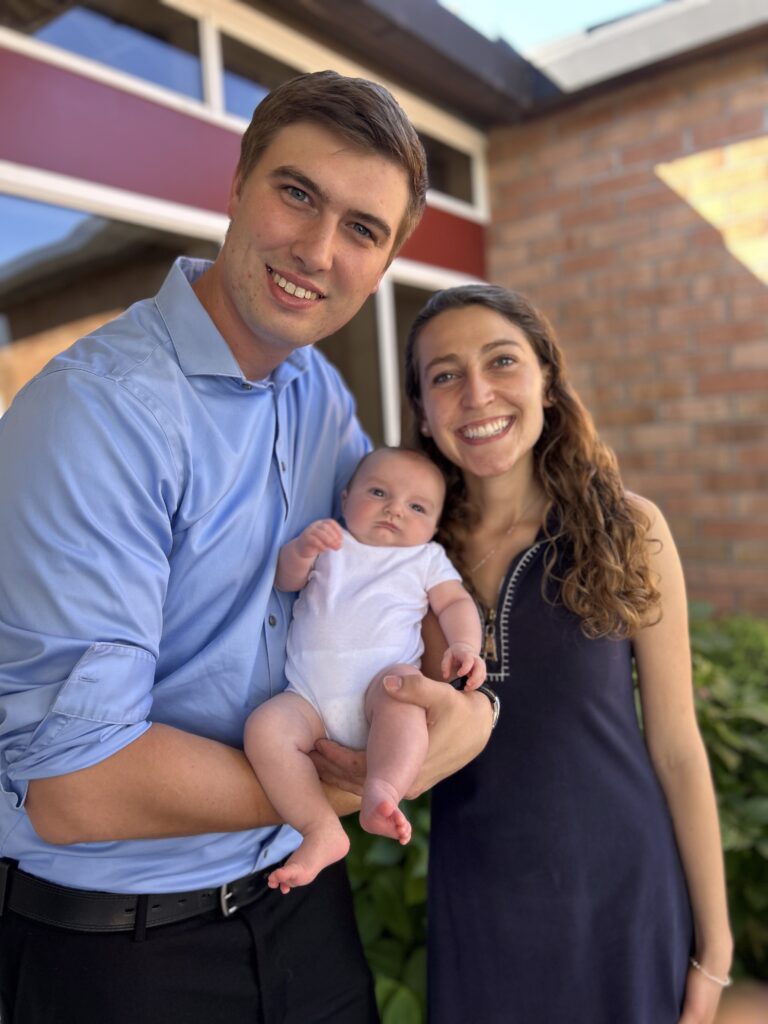
We want to sincerely thank everyone who has prayed for and encouraged us. It has been a long road, slowly learning to surrender our lives to the Lord’s will. We still pray every day that he will bless us with more children. But becoming parents to Peter has brought so much joy and tangible purpose back to our lives. We pray we never forget God’s great mercy towards us. The end result of adoption is amazing, but there are many difficult realities throughout the process that most people are unaware of.
1. There are a lot of terrible choices to discern.
How much money are you willing and able to spend on adoption? It is not impossible, but a life-changing amount of money and an exceptional burden.
Most agencies want you to specify what you are willing to accept before matching you with a birth mom. If you change your mind after she has selected you, she may change her mind about adoption altogether. And another couple at the agency missed their opportunity, because you were not ready for what you signed up for.
Are you OK with substance exposure of the baby? Even if a birth mom says she does not use substances, there are no guarantees that it is true. If so, are you OK with alcohol, cigarettes, marijuana, cocaine, meth, heroine, fentanyl, etc? Can you accept any of these medical diagnoses of the baby? Are you OK with diabetes, herpes exposure, down syndrome, cleft palate, cerebral palsy, etc? Are you OK with mental illness in the birth parents? If so, are you OK with depression, bipolar disorder, schizophrenia, etc? Are you OK with a baby born of incest or rape? How about a baby with no known medical background at all? Most of the time there are very little if any medical records that the adoptive parents receive before taking a baby home.
2. There are many harsh realities to mourn.
The adoption process is challenging, but the added sorrow of infertility laced through everything makes it so much more difficult.
Legally, the birth mom cannot sign her consent for adoption until after the baby is born. This makes sense because there could be a big change of situation after the baby is born, or the birth mom is unwilling to move forward with separating with her baby. But it is devastating for you. No Facebook announcement with ultrasounds. No big reveal of the baby’s sex. No baby shower beforehand. It is recommended you do not prepare a nursery at all in case it falls through and you come back home to a baby room and no baby. Even if you bring home a baby from the hospital, there is legal risk for the next 30 days in case a potential birth father wants to claim the child. It isn’t likely, but still a reality.
3. The birth moms love these babies.
I was at a doctor’s appointment not long after getting Peter. The doctor was thrilled to meet him. After congratulating me, I was stunned when she asked, “So the birth mom didn’t want him?” Wow, how do I answer that after everything I know now? I’ve had the privilege of speaking with three birth moms so far. All of them on the verge of tears, living in despair and uncertainty. Everyone wants to know WHY a birth mom would put up a baby for adoption. Well, a woman only puts a baby up for adoption for reasons that she is greatly ashamed of. I have no intention for shaming the woman who has given me one of the greatest gifts in my life. It takes a devastating amount of humility to discern that it would be better for your child to be raised by someone else. Peter’s birth mom kept repeating that she wanted him to be provided for and loved. I know she loved him. What was different was that we could provide for him. Love was not the difference.
Infertility is a lifelong cross. Pursuing adoption involves many deeply personal and difficult decisions. If you are someone on this road, the Lord loves you and hasn’t forgotten you.